


A Bare Floor Gets a New Look with Peel and Stick Floor Tiles
|
|
Lesezeit 5 min


|
|
Lesezeit 5 min
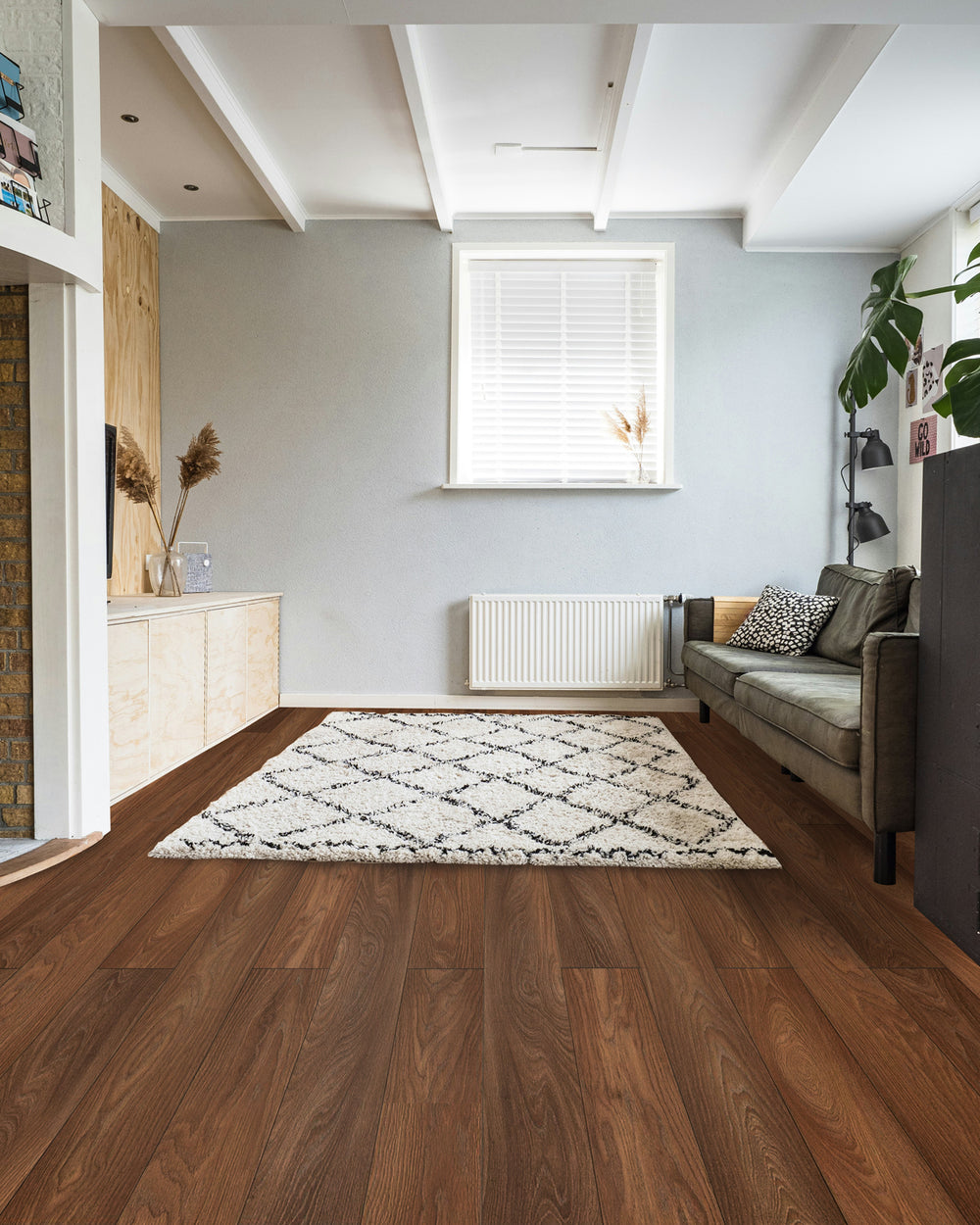
An unfinished room can seem unappealing if there is no flooring. Even if a room is all newly painted, the plain, bare floor can make it feel unfinished. Cover with Rustic Walnut peel and stick floor tiles and your space transforms in one afternoon. A warm brown wood grain creates a cozy, natural atmosphere, while avoiding the weighty saws, glue, and contractors' schedules of conventional flooring.
So, what is an easy method to renew bare flooring without the entire flooring project? The surface is prepared, the backing removed and each piece is pressed down. So how does that apply in real life from installation to day-to-day use with the Rustic Walnut vinyl wood flooring from yipscazotile.
The following instructions are for installing peel and stick floor tiles.
Begin by giving it a thorough cleaning. Wipe up dust, clean off grease and collect any little bits of debris, as all of it ends up in the space beneath the tile. The floor should be dry, smooth and even. If a vinyl is thin, bumps and cracks may be visible; address those first. Also look at the maker's pre-prep notes as requirements may vary from one type of subfloor to another.
After you prepare the floor, remove the backing and place the first piece. Align the wood grain so it looks natural when adjacent planks meet, then press firmly. Spend some time in here. A few seconds more for each piece will result in a much more level floor. If you are seeking a second walkthrough, this guide installing peel and stick vinyl flooring will follow the same general process.
Key Note: Be sure to do some prep work and ensure that the tiles are placed properly to make any DIY refresh much easier with peel and stick tiles.
This would be the question that most people ask and it's an appropriate one. Self-adhesive backing sticks to the floor when it comes in contact with it and is the adhesion that keeps each tile in place. The pressure throughout the entire piece is important, as if only the sides are pressed, weak points will remain.
It's also important for a surface to be clean and compatible. A weak bond can be caused by dust, damp areas, or a very textured floor. It also depends on the room and the instructions of the maker. So, can peel and stick floor tiles stick to the floor? This is usually the case if the installation is properly completed, but no one can say if a tile will never lift, curl or move. It depends on the surface, the prep and the use of the floor.


After the tiles are installed, the difference is apparent. The bare floor provides a seamless, wood-like surface in a warm walnut finish without the eye being caught by a flat, plain finish pattern. The top surface of the tiles is PVC matte and textured, giving the appearance of wood as opposed to a shiny plastic surface.
This warm hue can be paired with various aesthetics, ranging from a breezy bedroom to a cozy and inviting kitchen. However, the overall appearance will vary based on the pattern, proper alignment of the planks, room lighting, and installation attention.
Hard flooring is able to withstand daily scuffs in areas that see constant foot traffic, such as hallways and entrances. Remember that a scratch test is not a test for "scratch-proof" floors. No quick test would outlast the strength of furniture legs, grit under shoes and pet claws.
However, water tends to lie on the surface and can be wiped up as opposed to soaked up, making cleanup easier in case of any spills. This is a great deal for busy households and kitchens. However, water-resistant is not waterproof in all setups. Even if there is standing water or seams remain wet, they may still cause an issue, so make sure to read the instructions of the product before using the tiles in bathrooms or other wet areas.
Upkeep is simple. Routine dust-mop/sweep to prevent grit from scratching the finish. Clean up spills as soon as they occur. If a thorough cleaning is needed, use a soft mop or cloth with a manufacturer-recommended cleaner. Avoid abrasive pads and/or chemicals unless specified on the instructions as fine. Easy cleaning can be a great asset, but it's important that it is done the correct way to ensure that the surface finish is not affected, while not deteriorating the adhesive under the surface.


Before ordering, go through this checklist:
A bare floor receives a new wood-look finish, plus peel and stick backing makes it easy on the installer. Throw in solid adhesion, everyday scratch resistance and water resistance and it's an easy upgrade. Prep well and set realistic expectations for sustained success. Once you're ready, view the Rustic Walnut peel and stick floor tiles and read the complete specifications before you start!
Yes, peel and stick floor tiles are easy to install. You sweep the floor, remove the backing, place each plank in its position and press it into the floor. For clean cuts, no special tools are required other than a utility knife.
In general, the floor is clean, dry, smooth and each tile is firmly pressed down. Yet, it's subject to surface and environmental conditions as well, and it is possible for it to lift.
Not scratchproof or waterproof, but they are able to withstand everyday spills and scuffs. Clear up spills, and follow product directions before using in bathrooms or other wet areas.
Sweep or dust-mop first and then wipe with a soft mop or cloth and a cleaner recommended by the manufacturer. Use of abrasive pads, harsh chemicals, or wiping up spills quickly is recommended to preserve the finish.
Generally, yes, assuming that the existing floor is clean, dry, smooth and stable. If there are bumps, cracks, or loose areas, fix them first, then make sure to follow the manufacturer's instructions for installation.


