


How Peel and Stick Floor Tiles Change a Plain Room in Real Time
|
|
Lesezeit 6 min


|
|
Lesezeit 6 min
You like the room. The furniture is at just the right places, and the walls are up. Then your eyes look to the ground. Nothing is broken. It is simply old and dull, and once you see it, you cannot get it out of your mind. You do not want to remodel. You only want to make a minor adjustment.
Flooring does not seem like a small job, does it? Full replacement includes demolition, dust, underlayment, and a contractor. For tenants, it means an approval they are not likely to receive.
There is another way. Peel and stick floor tiles transform a bare floor into a finished floor in three easy steps: peel, align, press. There is no grout, no separate glue, and no professional. This guide looks at one of our products in particular, the Light Gray Oak Peel and Stick Vinyl Wood Floor Tile, with its fair share of limitations.
Table of Content
Think of a plain, gray floor, in front of a window wall. It appears not to be a design choice, but it is a surface that nobody cared about.
The counterpoint is the Light Gray Oak floor. The wood is also matte, which adds a touch of warmth and balance to the space. We designed the Light Gray Oak as a calm and contemporary foundation for the home.
To see these steps in action, watch our quick installation video on YouTube Shorts.
Each sheet is 6.2 x 39.4 inches, and a pack contains 36 sheets for a total of 61 sq.ft.
The benefit for renters is that there is no tearing up. To remove the planks, we recommend using a heat gun or blow dryer to warm up the glue and then slowly lifting them from the corners.

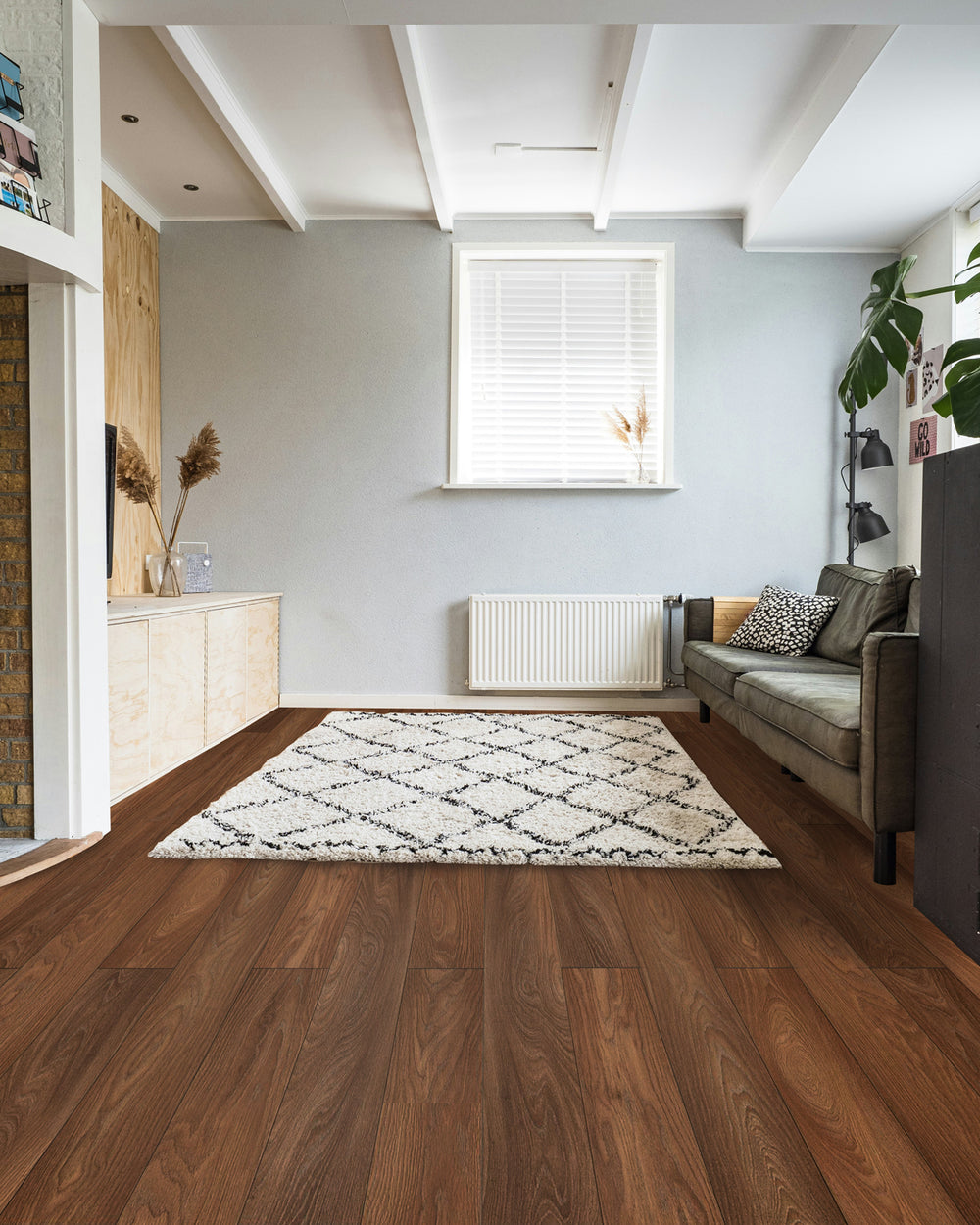
The prize is the finished and completed floor. The texture of wood is captured near-accurately, with a chair and a pile of books appearing naturally on the new surface, demonstrating its use with normal furniture.
The matte wood finish exudes a look of intentional and thoughtful design. The floor is designed to match the existing room, and we suggest pairing it with white walls, black accents, gray cabinets, and furniture with a natural wood finish.


Next is the test. The planks resist scuffing from a brush, and sprayed water is wiped away by hand.
This is a daily reality check for an entryway, kitchen, or laundry room. It is water-resistant and can be easily wiped down, so splashes are not an issue. This surface is a real texture, not a 3D gel, and there are no grout lines to scrub.

Further Readings
→ The Floor Before and After Peel and Stick Tiles: A Real Installation
Surface dependency. The surface to be adhered to must be clean, dry, flat, and compatible with the adhesive. It is not the fault of the product, but the result of inadequate preparation on textured, damp, and/or dusty surfaces.
Not a permanent architectural floor. These are thin PVC planks designed to be a semi-permanent change. If the home is your forever home and the budget allows for hardwood or ceramic floor tiles, traditional flooring materials are still a safe bet for the long haul.
Seams in wet zones. The planks are water-resistant, and the weak spots are the seam areas.
Quality varies. All vinyl floor tiles are not alike. The budget choices might be thin, not as well adhered, and can have a tendency to lift at the corners, so look for a strong glue or a matte finish.

Each sheet is 0.06 inches thick. That thin of a plank will mold itself to the floor below, and will not offer a lot of cushioning.
Yes, for everyday kitchen and entryway use. The planks handle occasional moisture such as spills, splashes, and wet shoes, but they are not made for constant or heavy water exposure, like the inside of a shower. The seams are the one place water can find its way in, so press every joint down firmly when you install, seal the edges and seams in wetter spots, and wipe up spills rather than letting them sit.
A hard and smooth surface is ideal. The surface should be clean, dry, flat and free of debris, and we suggest degreasing the surface first.
Our own guidance for peel and stick tile is about one to two years. How long your floor actually lasts depends on the humidity, heat, and material of the space, and in a busy room, daily foot traffic adds to the wear. It will not last as long as real tile; that is the trade-off for a fast, low-cost update. To get the most from it, prepare the surface properly, press every plank down firmly, keep the room from getting very hot or humid, and wipe up standing water quickly. Felt pads under furniture legs and regular sweeping to clear grit also help the surface hold up.
Our recommended method is to heat the glue with a heat gun or blow dryer, and then pull at the corners. Test a small, concealed area first, as results vary with the original surface.
Peel and stick floor tiles are a good solution to a small issue.
Available in light gray oak, these planks are easy to install, provide a relaxed wood look and have a water-resistant surface and neutral color to match the existing furnishings. Peel and stick flooring is not a long-term replacement for a wood floor; however, it is a solution that falls in the middle of the process of figuring out the problem and deciding to replace the floor altogether.
Assess your own floor, prepare the floor to an appropriate standard and plan your floor layout. Then check out our peel and stick floor tile collection and see if this is the little bit your room is missing.


